Due to forecasted storms, free sand for sandbags is now available on a first-come, first-serve basis at nine City of Phoenix parks.
City of Phoenix Honors Legacy of Artist Paul Coze Through New Historical Profile
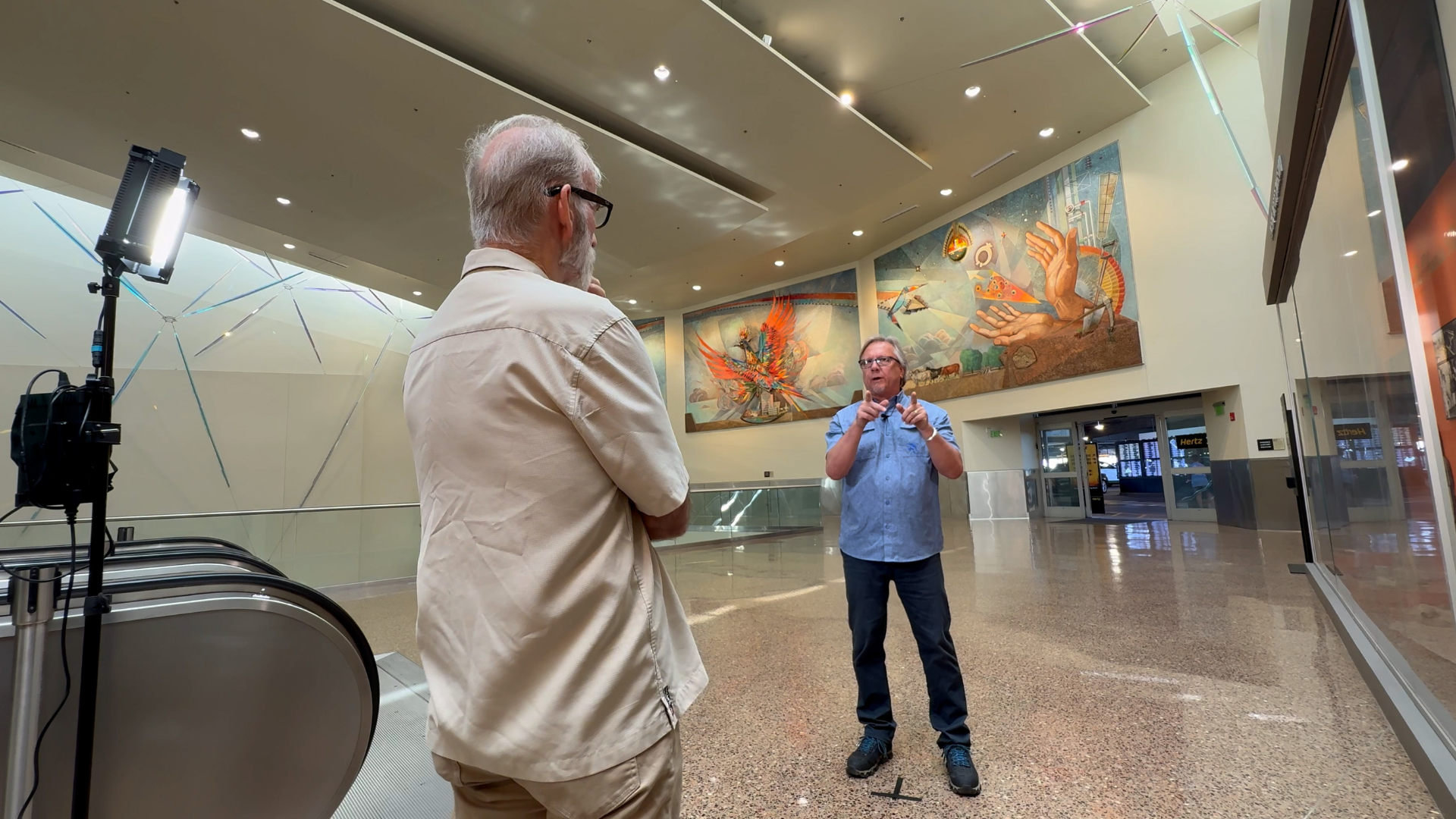
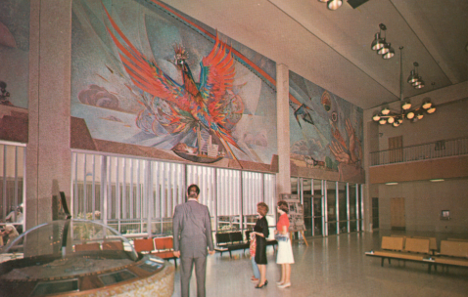
The City of Phoenix has released a comprehensive new video profile examining the life, work, and enduring cultural impact of artist and anthropologist Paul Coze, whose monumental mixed media mural The Phoenix remains one of the city’s most significant public artworks. The documentary, hosted by Steve Schumacher, the Mayor’s Office Official Historian, and produced by Jim Hartman, traces both the story of the mural and the remarkable man behind it.
A Mural That Defined a City
In the video, Schumacher reflects on the central presence of Coze’s fiery mythical bird, describing it as a symbol that still “captures the spirit and identity of Phoenix” and continues to resonate with viewers more than sixty years after its installation.
Public art, Schumacher notes, has become an essential part of the city’s character — but its modern era can be traced back to a single moment in 1962, when Phoenix commissioned its first major publicly chosen artwork: Coze’s sweeping three-panel mural for Sky Harbor International Airport.
Origins of Public Art in Phoenix
Carrie Brown of the Office of Arts and Culture explains in the profile that public art plays a crucial role in allowing residents to “see themselves reflected in their environment.” She emphasizes that even when artists come from outside Arizona, the process of deeply researching and engaging with local communities results in works that are “both responsive and meaningful” to the people who live here.
Coze’s mural remains one of the strongest examples of an outsider grasping and expressing the essence of Phoenix.
A Detailed Icon of Past, Present, and Future
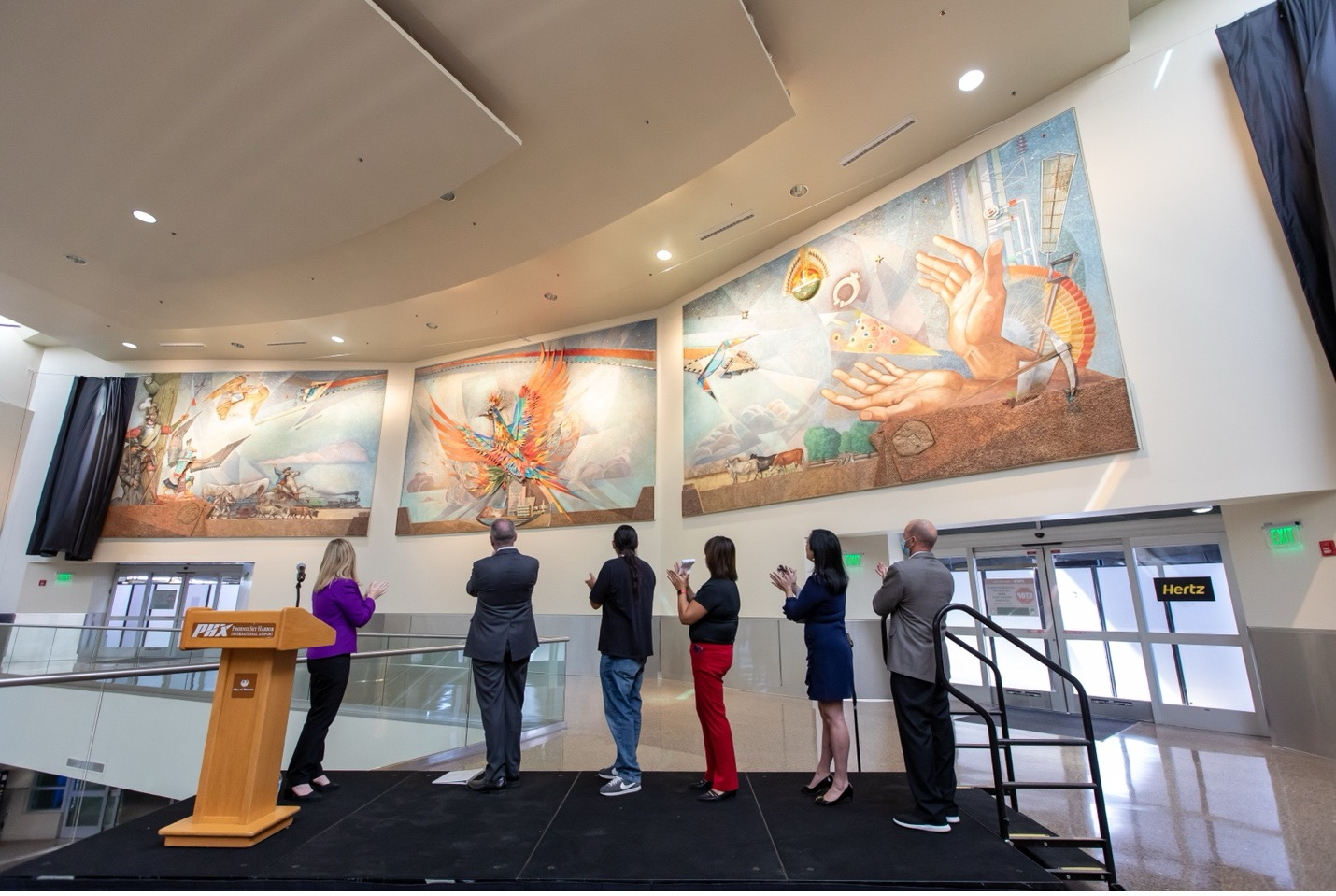
Stephen Reichardt of the Phoenix Airport Museum offers viewers an in-depth look at the thematic structure of the mural. He explains that Coze envisioned the work as a triptych of the city’s evolution:
• Earth — honoring the region’s prehistoric cultures and early waves of western expansion.
• Fire and Water — centered on the Phoenix bird, symbolizing destruction, renewal, and the life giving water that made the Salt River Valley habitable.
• Air — representing the promise of the future through depictions of the region’s foundational industries.
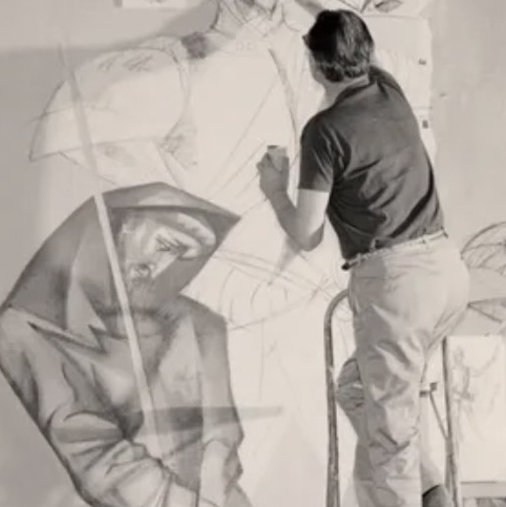
Reichardt highlights the mural’s scale — 75 feet wide and 16 feet tall — and its unusual construction. Far from being a traditional painting, it incorporates fifty-two distinct materials, making it one of the earliest—and boldest—mixed media public artworks in Arizona.
Preservation of a Masterpiece
Architectural historian Don Ryden, who played a central role in saving the mural after Terminal 2 was scheduled for demolition, recalls first encountering Coze’s work as a child. He describes it as “unlike anything else in the city — dazzling at both a distance and up close.”
Ryden explains that preserving the mural required extraordinary measures. Crews cut the panels from the terminal’s structural wall, reinforced them with steel, stored them offsite, and ultimately reinstalled them in the Sky Harbor Rental Car Center — the only facility that met aviation and public access requirements. He notes that the cavernous elevator hall created a dramatic new setting that “restored the presence the mural had in the 1960s.”
The Man Behind the Artwork
The documentary also features firsthand accounts from those who worked with Coze.
Former student Cerelle Bolon describes the mural’s creation as a “massive undertaking,” recalling how Coze sourced sand, stone, feathers, and regional materials from across Arizona to embed into the artwork. Bollen credits Coze with teaching through encouragement, saying he always began with a positive observation before guiding students toward improvement.
Artist Glenda Folk, who shared studio space with Coze, praises his commitment to educating the public about Native American cultures. She explains that tribes welcomed him into ceremonial spaces typically closed to outsiders, reflecting the deep trust he earned in his work as an ethnographer.
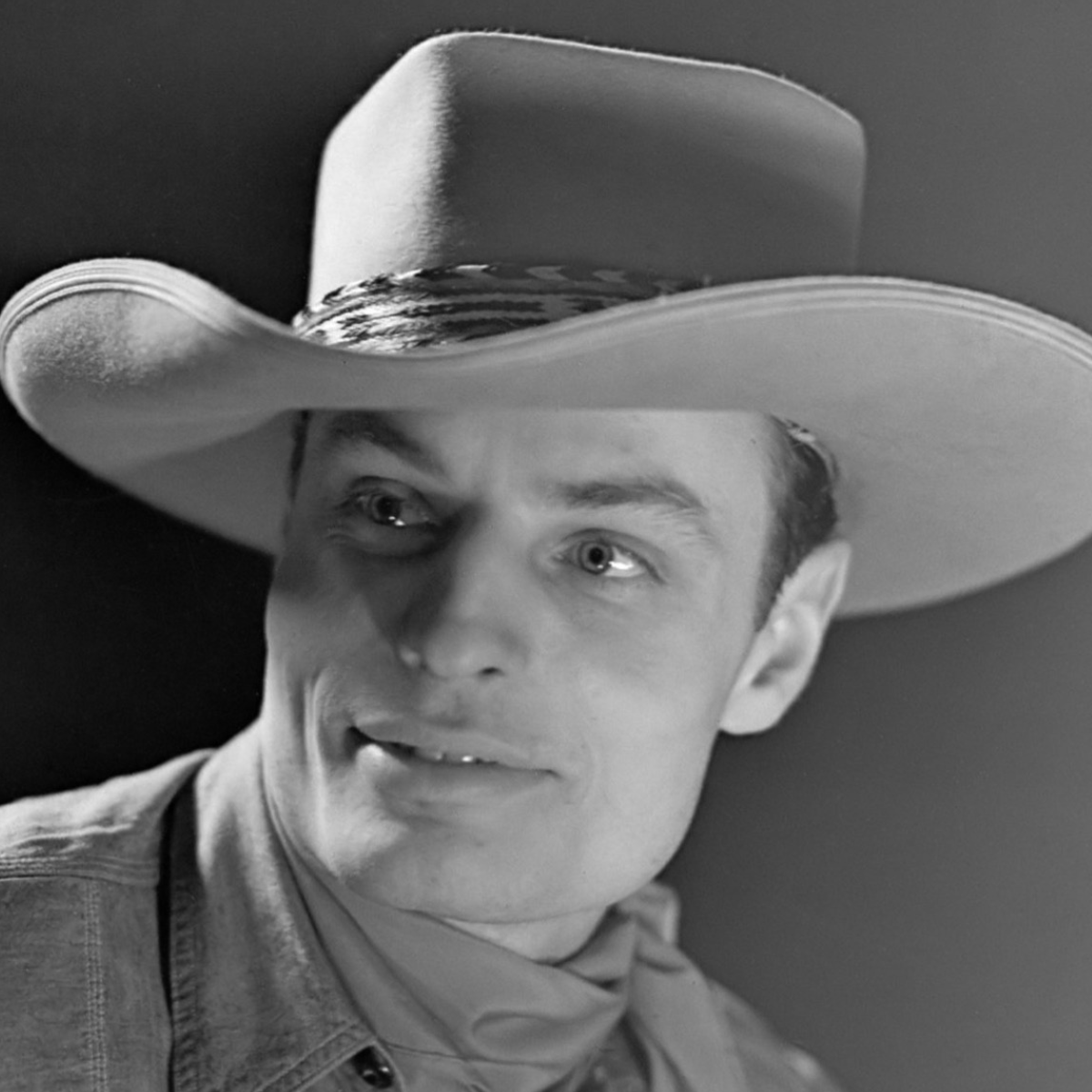
Coze’s daughter, Lisa Parrone, offers a personal perspective, describing her father as “a man of passion and many stories,” whose interests ranged from scouting and anthropology to Hollywood set design, portraiture, and French cooking. She emphasizes that his greatest joy came from teaching and inspiring others.
A Legacy Carried Forward
Paul Coze died in 1974 at age 71, survived by his wife Kay and daughter Lisa. But Schumacher notes that the themes of Coze’s mural also illuminate the artist’s life itself:
• The past reflects his profound respect for history and Indigenous cultures.
• The present evokes his creative energy and engaging with others in collaborative spirit.
• The future symbolizes his belief in teaching, imagination, and the potential of the next generation.
Today, as public art continues to shape Phoenix’s identity, officials credit Coze with establishing not just an artistic standard, but a civic one — demonstrating how art can document a city’s journey, define its aspirations, and inspire its people.
Watch the documentary in its entirety here.